

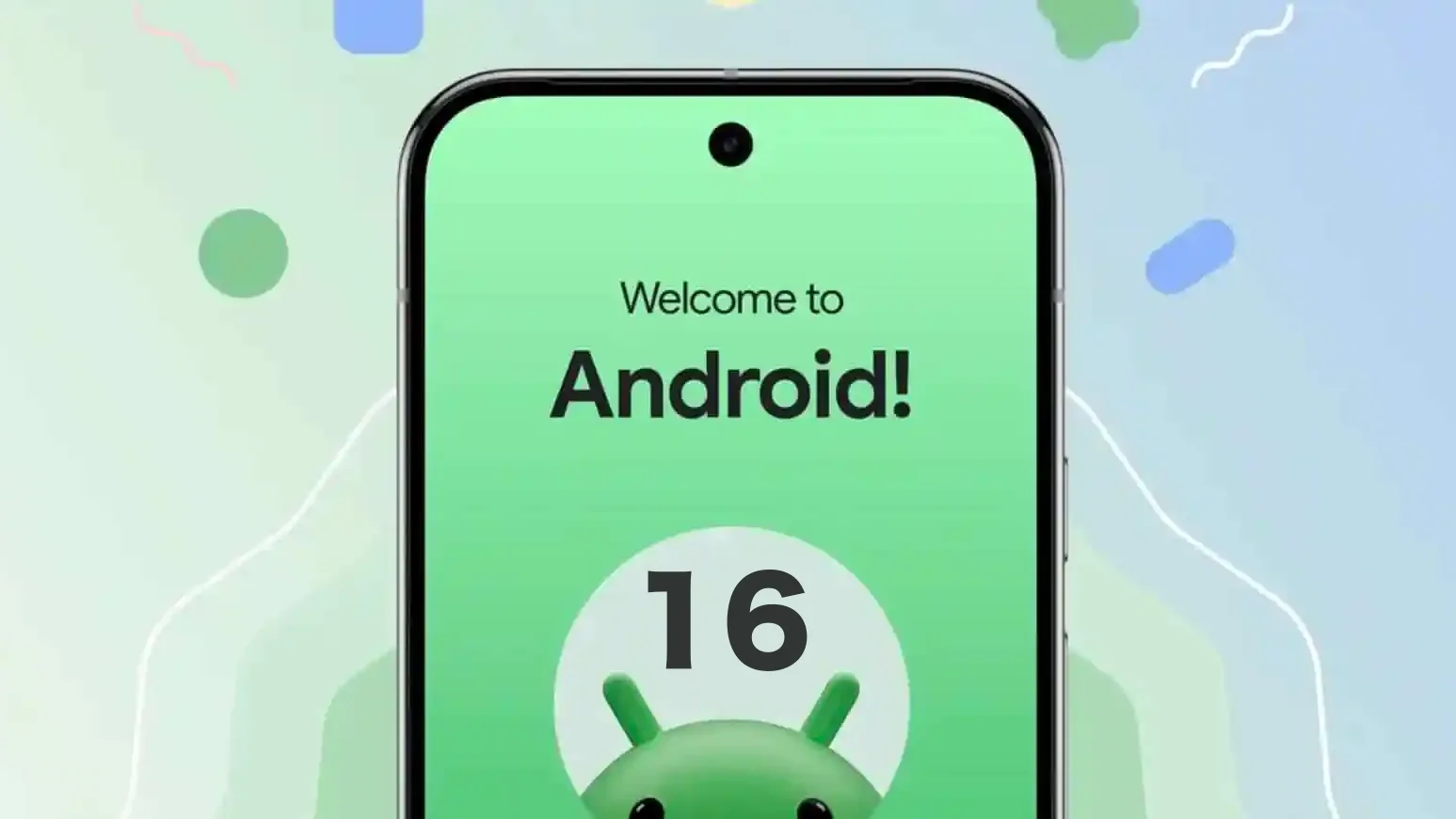
On June 10, 2025, Google officially released the stable version of Android 16. The latest iteration of the popular mobile operating system introduces a range of significant improvements in security, privacy, and functionality. Among the most notable changes are the new Advanced Protection feature and a new settings section focused on cellular network security.
New Security: Protection Against Fake Cell Towers
In response to the growing threat of cyberattacks, Android 16 introduces a new functionality called Cellular Network Security. This feature is divided into two main sections:
1. Notifications
When enabled, the system will alert users when their device connects to an unencrypted mobile network or when it exchanges device identifiers (such as IMSI or IMEI) with the carrier’s network. These warnings are intended to protect users from so-called Stingray attacks, which involve fake base stations imitating legitimate cell towers to intercept user data — including phone calls and SMS messages.
2. Network Generation
The second section allows users to disable the legacy 2G network for each SIM card individually. Since 2G communication is much less secure, Google now offers a tool to disable it entirely and prevent data from being transmitted in unprotected formats.
However, it’s important to note that not every device running Android 16 will have access to the Cellular Network Security feature. Its availability depends on hardware compatibility — specifically, a modem that supports IRadio 3.0 and certain API interfaces. Currently, the feature is available only on select devices such as the Pixel 9, with wider availability expected in upcoming models like the Pixel 10.
Other New Features in Android 16
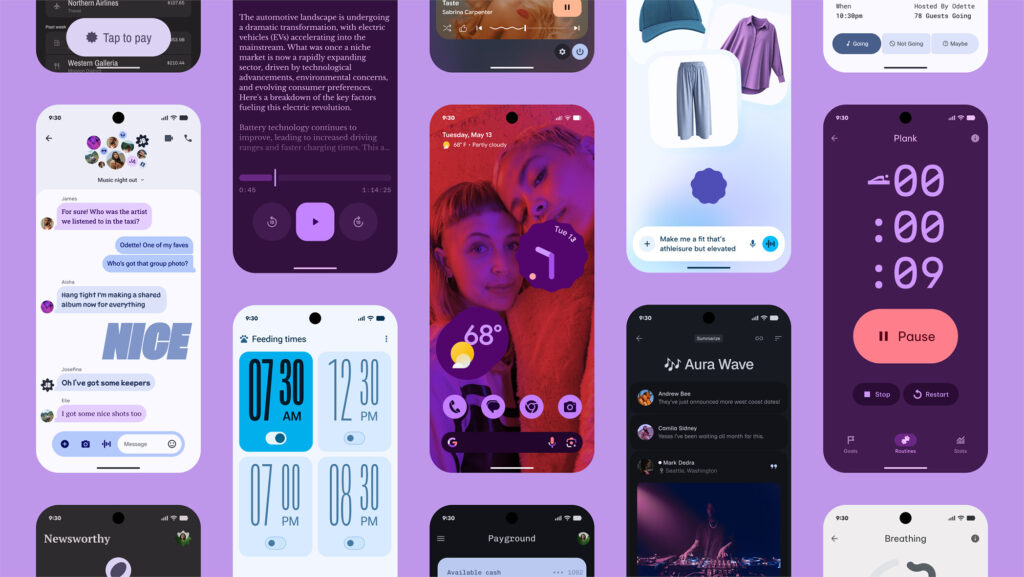
New Interface – Material 3 Expressive
Google continues to evolve its Material Design language. Android 16 introduces Material 3 Expressive — a refreshed design approach that emphasizes color, animation, and blur effects. Although not available at launch, it will roll out in updates later in 2025.
Linux Terminal on Android
The Linux Terminal feature has been expanded, allowing users to run Linux applications in an isolated virtual environment based on Debian. Thanks to the Android Virtualization Framework (AVF), users can even launch full desktop graphical applications (e.g., classic games like Doom), opening up new possibilities for advanced users.
Updated Photo Picker with Cloud Integration
The updated Photo Picker now supports cloud-based media, such as Google Photos. It allows users to search and browse both cloud and local images without needing to switch between apps.
Health and Medical Data
Within the Health Connect app, Android 16 introduces support for the FHIR (Fast Healthcare Interoperability Resources) standard, initially focused on immunization records. Support for lab results and medications is planned. User consent is required before apps can access or share health data.
Privacy Sandbox
The updated Privacy Sandbox on Android reduces user tracking by apps through local data processing and anonymization techniques.
Audio Sharing via Auracast
Thanks to support for Bluetooth LE Audio’s Auracast technology, Android 16 lets users stream audio to multiple Bluetooth devices simultaneously — such as multiple pairs of headphones — without the need to pair each one individually.
Notification Cooldown
The new Notification Cooldown feature automatically reduces the frequency of sound alerts when multiple notifications arrive in quick succession. This helps minimize distractions while still allowing high-priority alerts like calls or alarms.
Adaptive Apps
Android 16 now requires app developers to ensure their apps adapt properly to larger screens — such as tablets. This marks the end of app behavior that restricts resizing or screen orientation changes. By 2026, compliance will be mandatory.
Live Updates
A new notification type — Live Updates — has been introduced to support dynamic user activities (e.g., tracking deliveries, rides, or navigation). The new ProgressStyle template allows developers to create rich, context-aware progress notifications with stage icons and milestones.
APV Codec Support
Android 16 adds support for the professional-grade APV (Advanced Professional Video) codec — offering 10-bit color depth, YUV 4:2:2 sampling, and bitrates up to 2 Gbit/s. This is especially useful for high-end video content creators.
Vertical Text Rendering
The system now supports vertical text rendering for languages like Japanese. With the new VERTICAL_TEXT_FLAG, text measurement and rendering can be handled vertically.
Android 16 Is a Strong Step Forward
The latest version of Google’s mobile OS makes significant strides in enhancing privacy, security, and user experience. From protecting against advanced snooping methods to Linux terminal support and professional video features, Android 16 offers something for both everyday users and tech professionals. While not all features will be available immediately or on every device, Android’s future looks increasingly ambitious and privacy-conscious.


0 Comments