

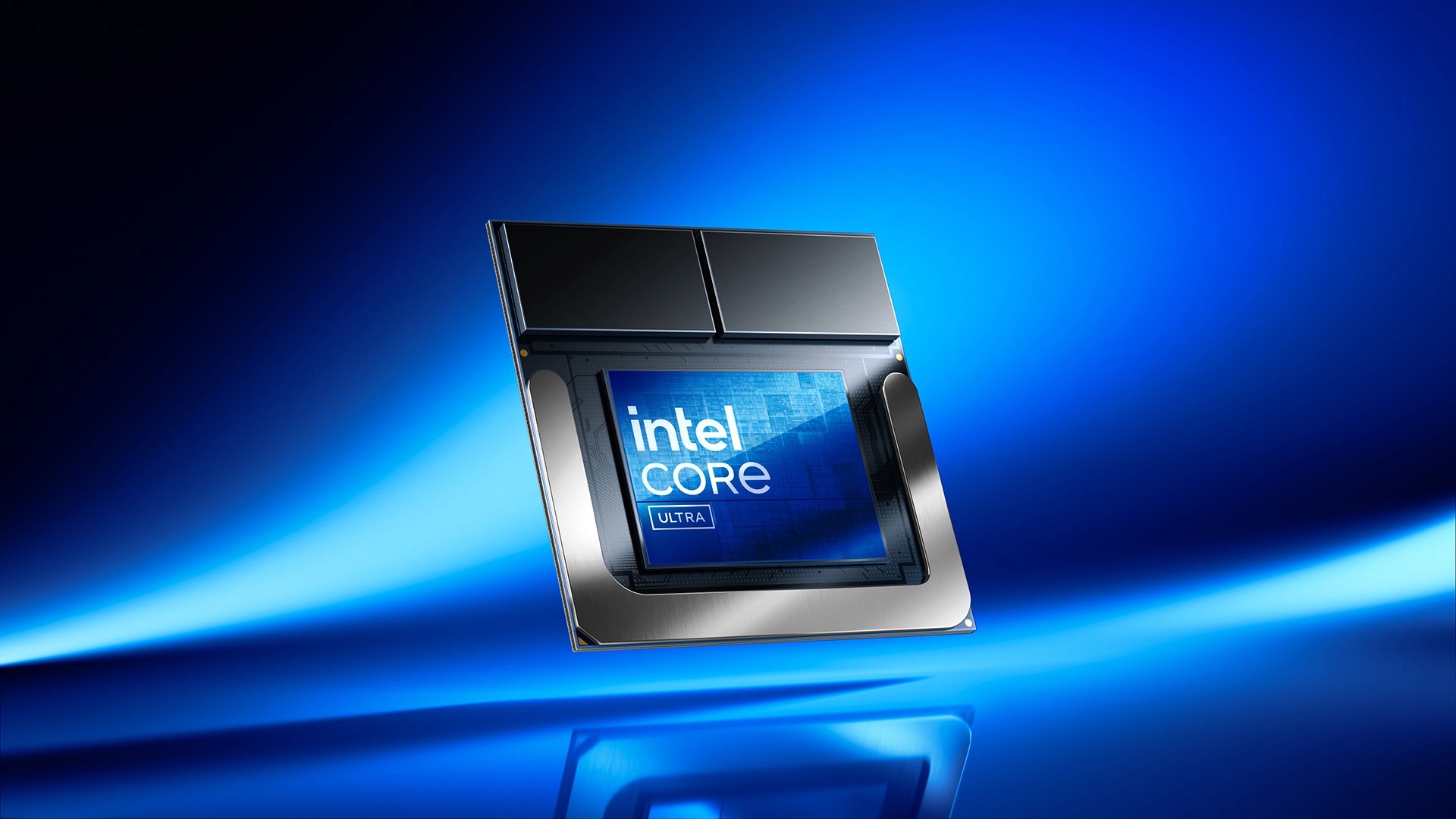
Intel’s upcoming mobile chip, the Core Ultra 7 356H, has surfaced in early benchmark leaks. The 356H is a 16-core (4 performance + 12 efficiency) processor based on Intel’s new Panther Lake architecture. Leaked Cinebench R23 scores show roughly 2,013 points single-core and 20,721 points multi-core. This is almost the same single-thread score as the existing Core Ultra 7 255H (~2,060), but about 10% higher multi-thread throughput than the 255H (~18,679). On the graphics side, the new chip’s integrated GPU appears to lag: in 3DMark Steel Nomad Light it scored only 2,110, far below the ~3,279–3,532 range of the previous Arc 140V iGPU. These numbers offer an early preview of Panther Lake’s performance, but should be taken with caution since they come from unofficial leaks.
Panther Lake’s 16-Core Design
The Core Ultra 7 356H is part of Intel’s “Panther Lake” laptop CPU family. It uses a hybrid 16-core design (4 high-performance P-cores + 12 efficient E-cores). This matches the configuration of the current Core Ultra 7 255H, though microarchitectural tweaks in Panther Lake could improve efficiency and scheduling. In practical terms, the extra efficiency cores and improved thread scheduling are expected to help multi-threaded workloads (like video encoding or data compression) more than raw single-threaded speed.
CPU Benchmark Results
In leaked Cinebench R23 runs, the 356H scored about 2,013 points in single-core tests and 20,721 points in multi-core tests. For comparison, the Core Ultra 7 255H (16-core, 4P+12E, current-gen) scores roughly ~2,060 (single) and ~18,679 (multi) in the same benchmark. Put simply, the new chip’s single-thread performance is essentially unchanged, while multi-thread throughput is roughly 10% higher thanks to the efficient-core improvements.
Key leaked benchmark scores:
- Cinebench R23 (single-core) – ~2,013 (vs ~2,060 for Core Ultra 7 255H).
- Cinebench R23 (multi-core) – 20,721 (vs ~18,679 for 255H).
- 3DMark Steel Nomad Light (integrated GPU) – 2,110 (vs ~3,279–3,532 for the 255H’s Arc 140V GPU).
Overall, the leaked data suggests only modest CPU gains over the previous generation, with a focus on efficiency and parallelism rather than higher single-core speeds.
Integrated Graphics Take a Hit
The leaked results also highlight a notable graphics regression. The 356H’s integrated GPU (Intel Graphics 4 Xe3) has fewer execution units than the older Arc 140V GPU in the 255H. In testing, this translated to a much lower score in 3DMark Steel Nomad Light: only 2,110 points for the 356H’s iGPU, compared to roughly 3,279–3,532 for the 255H’s Arc 140V (depending on DirectX or Vulkan). In practical terms, the 356H’s GPU performance is about one-third lower than the predecessor’s.
This suggests Intel traded some graphics horsepower in favor of other improvements. The weaker integrated graphics could impact gaming and GPU-accelerated tasks on thin laptops without a discrete GPU. Taken together with the CPU data, the leaks paint a picture of stronger CPU multi-core performance at the expense of weaker integrated graphics.
AMD’s Ryzen AI 400 Competition
AMD is also preparing new laptop chips. Its Ryzen AI 400 series (Gorgon Point) is beginning to ship with up to 12 Zen 5 CPU cores and Radeon 800M-series graphics. AMD’s own results show these chips set a high bar: for example, the flagship 12-core Ryzen AI 9 HX 475 reportedly runs about 29% faster in productivity (multitasking) workloads and 12% faster in gaming than a comparable Intel Core Ultra mobile CPU. In short, AMD’s new APUs are being pitched with very strong CPU and iGPU performance, which raises the competitive pressure on Intel’s upcoming Panther Lake laptops.
Early Leaks, Take With Caution
These benchmark numbers come from leaked pre-release testing, not official reviews. As we also discussed in our in-depth analysis of the latest high-performance notebooks in The Best New Laptops Powered by Intel’s Most Powerful Chip – Full Tech Breakdown, Intel has not yet published formal benchmarks for the Core Ultra 7 356H, and the actual performance could differ once final drivers and hardware are in place. In other words, treat these results with caution. We will have a clearer picture when Intel lifts its embargo and independent reviewers test real hardware. For now, the early leaks suggest Panther Lake brings a modest CPU uplift but a significant graphics downgrade.
Sources: Leaked benchmark reports and early previews of Intel’s Panther Lake CPUs, as well as AMD’s own performance claims.

0 Comments