

The silence that fell over the London Stadium last weekend was more damning than any boo or jeer. It was the sound of resignation. For 80 brutal minutes, a rampant Australian side, spearheaded by a new generation of electrifying talent, had systematically dismantled England, turning a much-anticipated series opener into a one-sided exhibition. The 26-6 scoreline felt almost kind; it was a gulf in class, creativity, and conviction that left English fans with a familiar, sinking feeling. Now, with the series on a knife-edge, the entire concept of a competitive Ashes rests on the shoulders of a team and a coach desperate to prove that the first Test was an aberration, not a new reality.
The ghosts of defeats past loom large, but the immediate challenge is the formidable green and gold machine that looks as polished and ruthless as ever. The Kangaroos didn’t just win in London; they suffocated England, dominating the brutal war of attrition in the middle of the park while unleashing their scintillating backs to cut through a fragile defensive line at will. They played with a swagger and an intelligence that England simply couldn’t match.
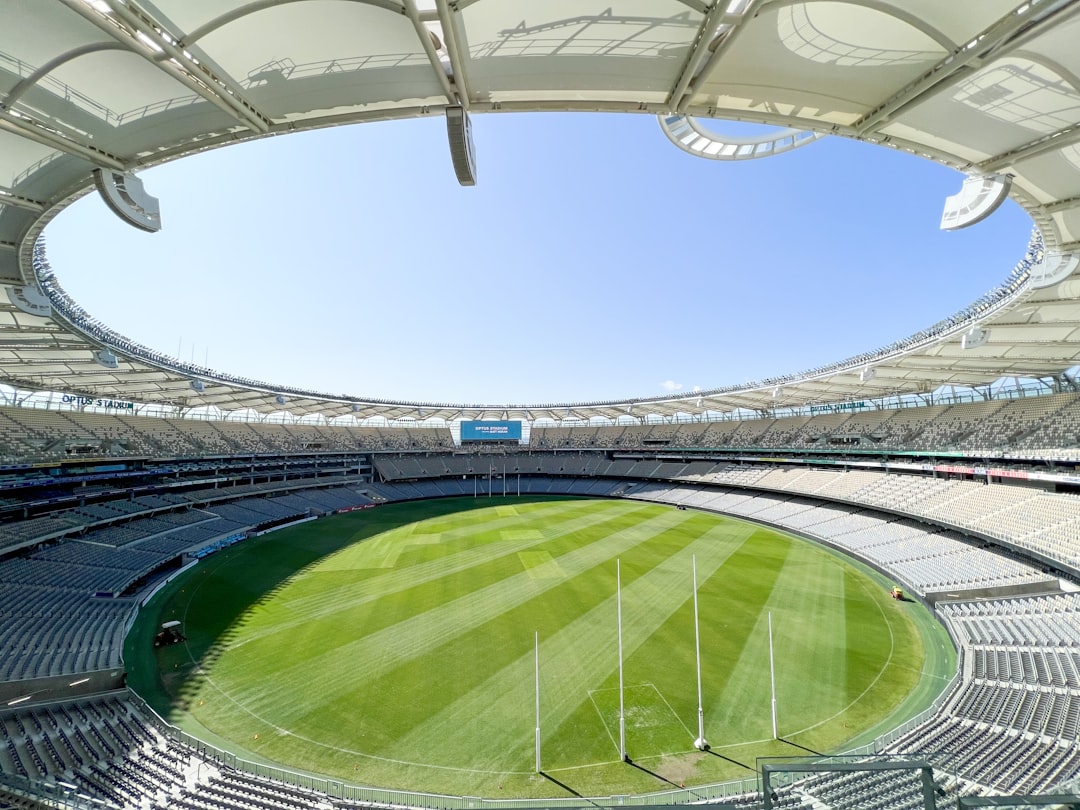
As the circus moves north to the newly-built Hill Dickinson Stadium on Liverpool’s iconic waterfront, the question hanging heavy in the air is stark: can a change of scenery and a shake-up of personnel bridge a gap that looked more like a chasm? For head coach Shaun Wane, the pressure is immense. The pride of a nation, and perhaps his own future, depends on finding the answer.
The Anatomy of a London Demolition
To understand the mountain England must climb, one must first dissect the wreckage of their opening performance. It wasn’t just a loss; it was a systematic failure across the park. Statistically, the story was grim. Australia’s completion rate hovered around a clinical 88%, while England struggled to build pressure, coughing up possession at critical moments and completing at a little over 70%. The Kangaroos’ pack, led by the relentless Pat Carrigan, consistently won the ruck, generating the kind of fast ball that gives playmakers like Daly Cherry-Evans an armchair ride.
But the most glaring difference was in the backline. Australian debutants Reece Walsh and Mark Nawaqanitawase announced their arrival on the international stage with terrifying authority. Walsh, a blur of motion from fullback, registered a staggering 236 metres gained, his evasive running and lightning-quick support play leaving English defenders grasping at air. On the wing, the towering Nawaqanitawase was equally destructive, using his 216 metres gained to trample over would-be tacklers. They embodied the modern, athletic, and ruthlessly efficient Australian approach.
A Southern Gamble That Backfired
In hindsight, the Rugby Football League’s (RFL) decision to stage the opener in London looks like a colossal strategic error. While the ambition to grow the game beyond its traditional northern heartlands is commendable, the first match of a revived Ashes series after a 22-year hiatus demanded an atmosphere of raw, partisan passion. Instead, it was played out in a stadium that felt cavernous and largely indifferent, a world away from the febrile cauldrons of Headingley, Wigan, or St Helens.
“You need to feel the ground shake when an England forward takes the ball up in an Ashes Test,” commented one former Great Britain international. “In London, you could hear a pin drop. It allowed Australia to settle, to play their own game without any external pressure. It was a neutral venue for our own home game.”
The move to Liverpool, a city steeped in sporting fanaticism, is a welcome and necessary correction. The hope is that a fiercely passionate northern crowd can become England’s 14th man, rattling the tourists and inspiring a level of intensity from the home side that was so conspicuously absent in the capital. The RFL will be praying that the raw energy of a packed-out stadium on the Mersey can provide the spark that was missing.
Wane’s Gamble: A Desperate Roll of the Dice?
Faced with a do-or-die scenario, Shaun Wane has wielded the axe. His loyalty to certain players has been a hallmark of his tenure, but the scale of the first-Test defeat has forced his hand. The most high-profile casualty is fullback Jack Welsby, the prodigious St Helens talent who endured a torrid evening under the high ball and struggled to make his mark in attack. He is joined on the sidelines by forwards Ethan Havard and the experienced John Bateman, who failed to impose himself on the contest.
Their replacements represent a significant shift in strategy. Wigan’s Harry Smith is brought into the halves, a player known for his precise, tactical kicking game—an element sorely lacking in London. His club teammate, the abrasive and aggressive loose forward Morgan Smithies, is tasked with adding some much-needed steel and controlled aggression to the pack. Perhaps the most intriguing selection is the debut for AJ Brimson, a versatile playmaker whose injection of pace and unpredictability is a clear attempt to find an answer to Australia’s own attacking weapons.
Wane’s selection remains a hot topic, particularly his pre-series decision to omit Hull FC’s Jake Connor, the reigning Man of Steel, whose maverick creativity many fans believe is exactly what England is crying out for. Wane, a coach who values structure and defensive grit above all else, has stuck to his guns.
“We weren’t us last week. That performance was unacceptable, and the players know it,” Wane was quoted as saying in the pre-match press conference, his voice steely. “I haven’t picked this team to ‘contain’ Australia. I’ve picked a team to go out there and win a Test match. We need aggression, we need control, and we need men who will bleed for that jersey in front of a home crowd. There will be a reaction.”
The Unflappable Green and Gold Juggernaut
While England’s camp resembles an emergency room, Australia’s is a picture of calm confidence. Their one change is enforced, but it speaks volumes about the incredible depth at their disposal. Captain Isaah Yeo, a lynchpin of their forward pack, has been ruled out after failing a head injury assessment following an early concussion. For any other nation, losing a player of his calibre and leadership would be a catastrophic blow.
For the Kangaroos, it’s simply ‘next man up’. The formidable Lindsay Collins, a Queensland State of Origin hero, steps seamlessly into the starting forward pack. His relentless engine and brutal defensive style mean Australia loses little, if any, of its intimidating physical presence. The captaincy, meanwhile, is passed to hooker Harry Grant, a player who embodies the side’s blend of supreme skill and fierce competitiveness.
Australian coach Mal Meninga has been a master of managing expectations, respectfully acknowledging the threat of an English backlash while radiating an aura of unshakable belief in his own squad’s processes.
“We expect a very different England team this week,” Meninga commented. “They’ll be playing with desperation in front of their home fans, and we have to be ready for that initial ambush. We respect that. But our focus is on our own standards. We have areas we can improve on from the first Test, and our preparation has been about hitting those markers, regardless of the opposition or the venue.”
This quiet confidence is perhaps what is most unnerving for England. The Kangaroos are not just a collection of superstars; they are a cohesive unit, drilled to perfection and possessing a winning mentality that is ingrained in their DNA.
The Battlegrounds: Where the Game Will Be Won and Lost
Saturday’s contest will be decided by a series of brutal mini-battles across the pitch. England cannot afford to lose the territorial war again, making the kicking duel between England’s new halfback Harry Smith and the veteran Daly Cherry-Evans absolutely pivotal.
The War in the Middle
First and foremost, England’s forward pack must achieve, at the very least, parity. They were comprehensively outmuscled in London. The likes of Tom Burgess and the recalled Morgan Smithies must not only match the aggression of Collins and Tino Fa’asuamaleaui but also find a way to slow down the play-the-ball, preventing the Kangaroos from generating the momentum that unleashes their backs.
Taming the Edges
Even if the middle is secured, England’s edge defence, which was repeatedly exposed in the first Test, faces an immense challenge. The combination of speed from fullbacks like Walsh and James Tedesco, power from centres like Latrell Mitchell, and finishing prowess from their wingers creates a multi-faceted threat. A single misread or missed tackle is likely to result in a try. The defensive communication and connection between England’s centres and wingers must be flawless.
Echoes of History: The Weight of the Ashes
The term ‘Ashes’ in rugby league carries a profound historical weight. For decades, it was the pinnacle of international competition, a fierce and often brutal rivalry that defined generations of players. Its 22-year absence left a void in the sport, and its revival was meant to herald a new era of genuine, top-tier international competition for England, a chance to finally step out of the shadow of their great rivals.
A 2-0 series loss, sealed on home soil in the shortest possible time, would be more than just a defeat. It would be a crushing blow to the sport’s prestige in the country, reinforcing the narrative of an unbridgeable gap between the NRL and the Super League and raising uncomfortable questions about the direction of the elite game in England.
This is the weight that Wane’s players carry onto the field in Liverpool. They are not just playing for a series win; they are playing for credibility, for the pride of the northern heartlands, and for the dream that English rugby league can once again stand shoulder-to-shoulder with the best in the world. The stage is set for a night of high drama. Whether it culminates in a famous resurrection or a final, fatal blow remains to be seen. The roar of the crowd is ready; the question is whether England can give them something to roar about.
Source: https://www.techradar.com



0 Comments