

In the endless, scrolling void of the modern streaming landscape, where every platform boasts thousands of titles, the real battle is no longer just for content, but for identity. What is a service for? While some chase blockbuster exclusivity and others lean into prestige television, Paramount+ is quietly carving out a fascinating niche by becoming a master curator of chaos, nostalgia, and genre-defining cinema. Its latest slate of films is a perfect case study: a calculated blend of bone-chilling horror to welcome the spooky season early, alongside introspective, mind-bending dramas that defined a generation of filmmaking. This isn’t just a content dump; it’s a strategic move that weaponizes the power of the back-catalog, reminding us that sometimes the best new thing to watch is a classic you’ve been meaning to revisit.
Paramount’s Gambit: Weaponizing Nostalgia in the Streaming Wars
In an era dominated by the “next big thing,” there’s a powerful and often underestimated currency in the familiar. Paramount Global, a legacy studio with a century-long history, understands this better than most. Its streaming service, Paramount+, is increasingly defined not just by its original programming like Yellowstone’s ever-expanding universe or the Star Trek franchise, but by its deep, eclectic, and now strategically deployed library. The platform’s latest additions demonstrate a savvy understanding of audience psychology. By simultaneously catering to horror aficionados and lovers of auteur-driven drama, Paramount+ creates a value proposition that transcends the monthly release schedule. It’s building a reputation as a destination where you can find comfort food for the soul one night and a cinematic challenge the next. This isn’t about having everything; it’s about having the right things—films that carry cultural weight, spark conversation, and possess that elusive quality of re-watchability. This dual-pronged approach—embracing both visceral genre thrills and high-concept art—is a clever gambit to capture and retain subscribers who are increasingly fatigued by choice paralysis.
The Haunting of the Algorithm: A Pre-Halloween Horror Binge
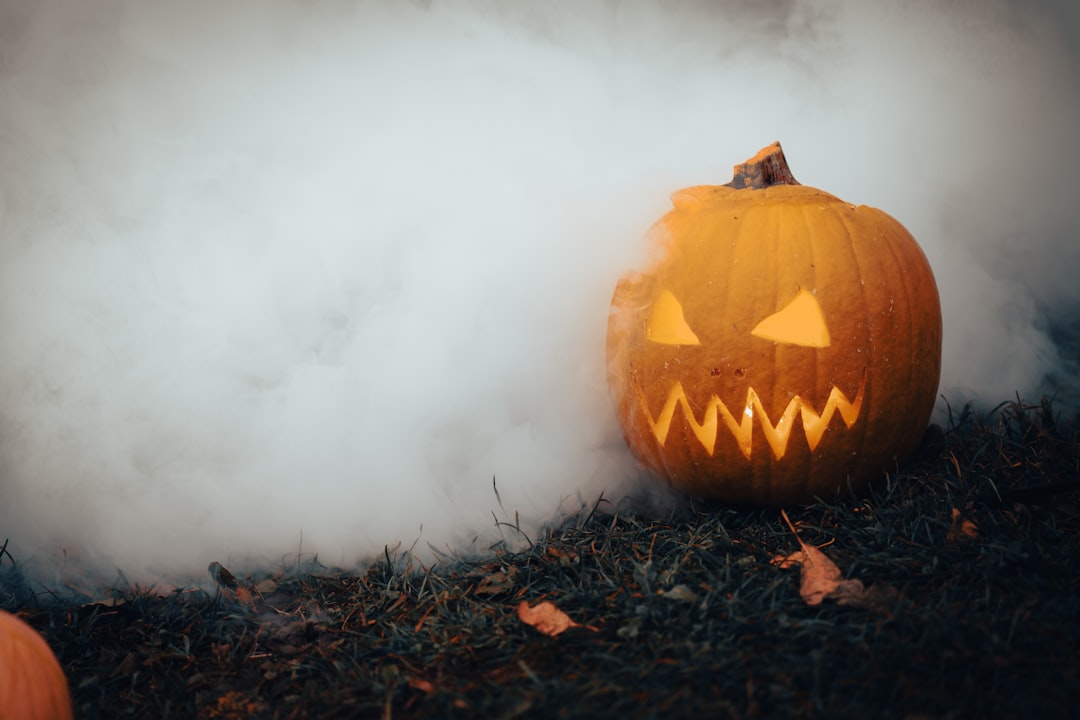
Long before the first pumpkin spice latte is poured, Paramount+ is dimming the lights and cranking up the tension. The decision to drop a significant portion of the Paranormal Activity franchise alongside a cornerstone of the slasher genre, Halloween II, is a clear signal to horror fans that the platform is their year-round home for all things terrifying. It’s a move that taps into two distinct but equally potent veins of fear.
The Ghost in the Machine: Re-living the Found-Footage Revolution
It’s hard to overstate the seismic shockwave that Paranormal Activity sent through the horror genre and the film industry at large in 2007. Made on a shoestring budget of a reported $15,000 and filmed in director Oren Peli’s own suburban San Diego home, it became a global phenomenon, ultimately grossing nearly $200 million worldwide. This wasn’t just a successful film; it was a watershed moment that proved the found-footage subgenre, largely defined by 1999’s The Blair Witch Project, was not a gimmick but a profoundly effective tool for generating authentic terror.
Watching it today, the film’s power remains undiminished. The static, sterile security camera shots of a darkened bedroom tap into a primal fear of the unseen. The genius of the film lies in its patience. For long stretches, nothing happens. The audience, conditioned by jump-scare-laden horror, becomes an active participant, scanning the frame for any minute change—a door creaking, a shadow moving, a light flickering. When the activity does escalate, it feels earned and deeply unsettling. As film critic Roger Ebert noted in his review, “it demonstrates that a haunted house movie is scarier if it’s your own house that is haunted.” By dropping six films from the franchise, Paramount+ isn’t just offering a movie; it’s offering a multi-night immersion into a universe built on quiet dread and escalating supernatural malevolence. It allows viewers to trace the evolution of the series’ mythology, from the intimate haunting of Katie and Micah to the more complex, cult-focused narratives of the later installments. This is binge-watching as an endurance test, a perfect offering for a generation that grew up with the franchise and is ready to be scared all over again.
The Enduring Shadow of a Slasher King
If Paranormal Activity represents the quiet, psychological dread of modern horror, then 1981’s Halloween II is its antithesis: a loud, brutal, and relentless exercise in old-school terror. Picking up mere moments after the conclusion of John Carpenter’s 1978 masterpiece, the film swaps the shadowy suspense of suburban streets for the sterile, fluorescent-lit corridors of Haddonfield Memorial Hospital. This change in venue was a stroke of genius, trapping final girl Laurie Strode (the inimitable Jamie Lee Curtis) in a labyrinthine nightmare, wounded and seemingly helpless.
While Carpenter stepped back from directing duties (ceding the chair to Rick Rosenthal but staying on as writer and composer), his fingerprints are all over the film. The iconic, pulsating synthesizer score returns, more urgent and menacing than ever. The film solidifies Michael Myers not just as a man in a mask, but as “The Shape”—an unstoppable, almost supernatural force of nature. Halloween II upped the ante on the gore and brutality, helping to codify the rules of the slasher boom of the 1980s that it, along with Friday the 13th, helped spawn. Its inclusion on Paramount+ is a nod to a different era of horror, one built on visceral thrills, creative kills, and the enduring power of a singular, terrifying villain. Placing it alongside Paranormal Activity creates a fascinating dialogue between two eras of horror: the tangible, physical threat of the slasher versus the unseen, psychological torment of the supernatural. For horror buffs, it’s a perfectly curated double feature spanning decades of cinematic fear.
Classics That Challenge and Captivate
Just as you’re catching your breath from Michael Myers’ rampage, Paramount+ executes a perfect pivot, offering two of the most intellectually stimulating and emotionally resonant films of the late 20th century. This is the other side of the platform’s strategy: providing cerebral, auteur-driven films that reward deep engagement and feel more relevant with each passing year.
Good Afternoon, Good Evening, and Good God, It’s Prophetic
To call The Truman Show (1998) a film ahead of its time is a colossal understatement. Released on the cusp of the reality TV explosion and years before the advent of social media as we know it, Peter Weir’s film was a brilliant satire that has since morphed into a terrifyingly accurate prophecy. The story of Truman Burbank (a career-best dramatic performance from Jim Carrey), a man who has unknowingly lived his entire life as the star of a 24/7 television show, is a masterpiece of high-concept filmmaking.
Every aspect of the production is impeccable. The idyllic, pastel-perfect town of Seahaven is a triumph of production design—a beautiful, sprawling prison. The screenplay by Andrew Niccol is a tightrope walk of comedy, tragedy, and profound philosophical inquiry. What is the nature of reality? Do we prefer the comfort of a curated cage to the terrifying freedom of the unknown? These questions resonate even more powerfully in our current age of influencer culture, curated Instagram feeds, and the constant performance of daily life online. In fact, the film’s impact has been so profound that it has lent its name to a psychological condition, “The Truman Show Delusion,” in which individuals believe their lives are staged plays or reality shows. Adding The Truman Show to the library isn’t just about adding a beloved classic; it’s about adding a vital piece of cultural commentary that serves as a mirror to our modern existence. It’s a film that demands discussion, making it a valuable asset for a streaming service aiming to be part of the cultural conversation.
The Meta-Mind of a Mad Genius
If The Truman Show questions the reality of our world, then Adaptation. (2002) questions the very nature of storytelling itself. It is, without a doubt, one of the most daring, bizarre, and brilliant films ever to emerge from a major Hollywood studio. Directed by Spike Jonze and born from the famously neurotic mind of screenwriter Charlie Kaufman, the film is a labyrinthine meta-narrative about its own creation.
The premise is gloriously convoluted: Nicolas Cage stars as Charlie Kaufman, a screenwriter suffering from crippling anxiety and writer’s block while trying to adapt Susan Orlean’s non-fiction book “The Orchid Thief.” To add another layer of complexity, Cage also plays Charlie’s fictional, oafish twin brother, Donald, who is effortlessly writing a cliché-ridden spec script that he’s sure will make him a star. The film masterfully weaves together three storylines: Kaufman’s pathetic struggle, excerpts from the book he’s trying to adapt (starring Meryl Streep as Susan Orlean and Chris Cooper in an Oscar-winning role as the titular thief), and the increasingly absurd plot of his brother’s schlocky screenplay, which eventually hijacks the “real” movie itself. Adaptation. is a hilarious and poignant deconstruction of the creative process, writer’s insecurity, and the compromises inherent in Hollywood filmmaking. It breaks every rule of screenwriting while simultaneously explaining why those rules exist. It is a work of pure, unadulterated genius that solidified Kaufman as one of the most original voices in modern cinema. Its presence on Paramount+ is a badge of honor, a declaration that the platform values bold, unconventional art alongside its more commercial fare. It’s a film for cinephiles, for writers, for creators, and for anyone who has ever felt like an imposter—in other words, for almost everyone.
Weaving a Modern Streaming Tapestry
Ultimately, this diverse and thoughtfully curated slate reveals the maturing identity of Paramount+. The service is evolving beyond being merely the home of Star Trek and Taylor Sheridan. It’s becoming a digital archive that understands its audience has varied tastes that can change by the day. One evening, a subscriber might crave the low-fi terror of a shaky cam in a dark room. The next, they might be in the mood for a profound meditation on free will and reality, or a meta-comedy about the agony of creation.
By providing all of these under one roof, Paramount+ is not just throwing content at a wall to see what sticks. It’s weaving a rich tapestry, connecting the dots between different eras, genres, and ideas. It’s a strategy that builds trust and loyalty, assuring subscribers that whether they’re looking for a scare, a laugh, or a life-altering cinematic experience, there’s a good chance they’ll find it here, waiting to be rediscovered.
—
Explore Paramount+’s brilliant streaming strategy as it adds horror classics like the Paranormal Activity franchise and Halloween II, alongside mind-bending dramas The Truman Show and Adaptation. Discover how this curated mix of nostalgia and genre filmmaking is setting Paramount+ apart in the competitive streaming wars.
In the endless, scrolling void of the modern streaming landscape, Paramount+ is quietly carving out a fascinating niche by becoming a master curator of chaos, nostalgia, and genre-defining cinema. Its latest slate of films is a perfect case study: a calculated blend of bone-chilling horror and introspective, mind-bending dramas that defined a generation.
Paramount+, Paranormal Activity, The Truman Show
Source: https://www.techradar.com

0 Comments