

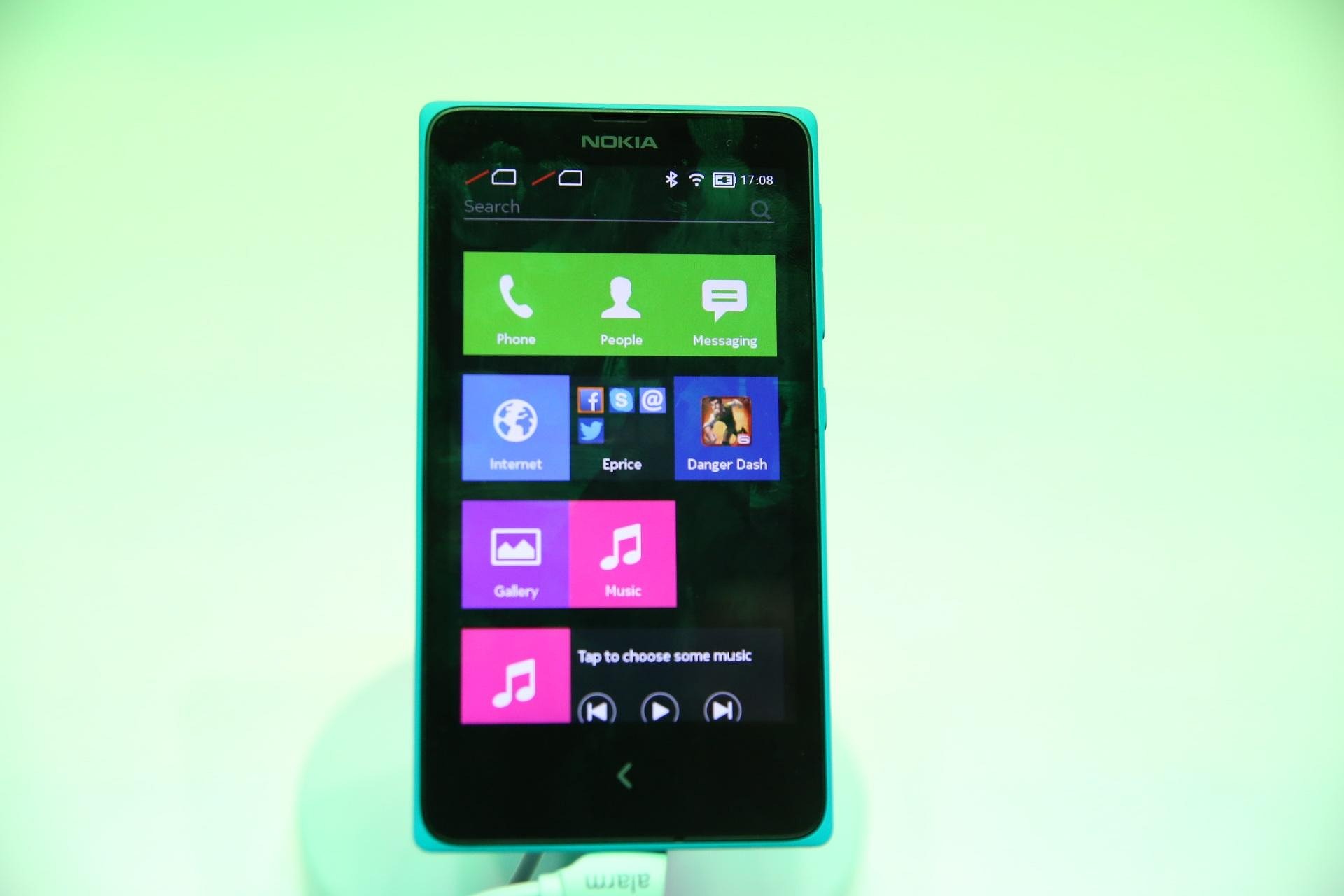
The early 2000s marked a pivotal period where mobile phones began evolving from simple communication devices into the miniature computers we now know as smartphones. Microsoft, the software giant that dominated personal computers with its Windows operating system, saw immense potential in this new segment to extend its hegemony. However, despite vast resources, powerful engineering capabilities, and extensive experience in operating system development, Windows Mobile (and later Windows Phone) proved to be a spectacular failure. This story is a case study of how even the largest players can make strategic missteps that cost them an entire market segment, yielding to newer, more agile competitors like Android and iOS.
The Birth of Mobile Ambitions: From Windows CE to Pocket PC
Microsoft’s mobile ambitions trace back to the mid-1990s with the development of Windows CE. This was a miniature, componentized version of the Windows operating system, specifically designed for embedded, portable, and resource-constrained devices. From Windows CE emerged platforms like Handheld PC and later, the far more influential, Pocket PC.
At the turn of the millennium, Pocket PC devices were at the forefront of mobile technology. They offered features we now take for granted in smartphones but were revolutionary at the time: multimedia playback (albeit in humble quality), basic internet Browse, and, crucially, integrated mobile versions of popular Microsoft Office applications like Word Mobile and Excel Mobile. The ability to create and edit documents on the go, synchronize with PCs via ActiveSync, and access calendars and contacts quickly earned Pocket PC recognition among professionals, business users, and tech enthusiasts.
The market at that time was vastly different. There were no widespread touch interfaces, and most interactions occurred via a stylus and physical buttons. Manufacturers such as Compaq (later HP iPaq), Dell Axim, and early HTC models (which, at the time, produced devices for other brands) built a solid hardware base, enjoying a certain, albeit niche, popularity. The system offered considerable flexibility and customization, and its strong suit was its deep integration with the Windows PC ecosystem, which dominated the world.
The Windows Mobile Era: A Window of Opportunity That Began to Close
In 2003, Microsoft made a strategic decision to unify and rebrand its mobile platforms. Thus, the name Windows Mobile was born. The platform continued to evolve, with subsequent versions (e.g., Windows Mobile 5.0 “Magneto” with Persistent Storage, 6.0 “Crossbow,” 6.1 “Tokyo,” 6.5 “Titanium”) introducing new features, interface improvements, and support for emerging technologies like 3G and GPS.
During this period, Microsoft seemed to be on a good path. Windows Mobile smartphones, often equipped with touchscreens and QWERTY keyboards, such as the iconic HTC TyTN or Samsung Omnia, were perceived as advanced tools for business. Microsoft had strong relationships with mobile carriers and hardware manufacturers. Many companies relied on these devices for managing mobile workforces, email, and data.
However, beneath the surface of apparent success, the Windows Mobile system began to show its deficiencies. The interface, though functional, became increasingly outdated and chaotic. It consisted of multiple layers that evolved independently, and users often had to dig through complex menus and settings. The lack of a unified user experience, necessitating the use of a stylus for precise clicks, became increasingly apparent. The market was in constant flux, and although BlackBerry dominated the enterprise segment with reliable email and security, new, revolutionary solutions were emerging on the horizon that would forever change the rules of the game.
The Turning Point: iPhone and Android Reshape the Landscape
2007 was a seismic shock for the entire mobile industry. Apple unveiled the iPhone. It wasn’t just another phone; it was a complete revolution. The iPhone introduced an intuitive, multi-touch interface that entirely eliminated the need for a stylus. The fluidity of animations, ease of use, and an entirely new approach to media consumption (web, music, video) immediately made Windows Mobile look archaic. Moreover, in 2008, Apple introduced the App Store, creating a completely new software distribution model that proved crucial to smartphone success. The availability of thousands, then millions, of applications made the iPhone a platform with unlimited possibilities for personalization and expanded functionality.
Months later, Google, with its Open Handset Alliance consortium, introduced Android. This Linux-based operating system was designed from the outset to be open and flexible, available to multiple device manufacturers. As a result, Google quickly built a massive base of hardware partners (HTC, Samsung, Motorola) who could create a wide range of devices across various price points.
At this critical juncture, Microsoft made a fatal mistake: it underestimated the scale and significance of these changes. Instead of rapidly and aggressively responding, the Redmond company clung to the old paradigm for too long. Then-CEO Steve Ballmer publicly mocked the iPhone for its lack of a physical keyboard and high price. This dire misjudgment of the market’s direction cost Microsoft not only market share but also its position as an innovator. Windows Mobile, even with version 6.5 attempting some finger-friendly enhancements, remained a system designed for a stylus and physical keyboards. The absence of a dedicated, easily accessible app store that was as rich and user-friendly as the App Store proved to be a huge drawback for developers and users alike. App developers naturally directed their efforts where the greatest earning potential and largest user base lay – on iOS, and later on Android.
Windows Phone: A Belated Attempt at Reanimation and a New Vision
Realizing (too late) the scale of the problem and that Windows Mobile was beyond saving in its current form, Microsoft took drastic measures. In 2010, the company announced Windows Phone 7 Series (later simply Windows Phone 7), a completely new operating system designed to break away from the Windows Mobile legacy. This was not an evolution, but a revolution – built from the ground up.
Windows Phone 7 introduced a unique user interface based on tiles (Metro UI/Modern UI), which set it apart from the competition. It was minimalist, elegant, fast, and fluid, offering a refreshing user experience. It focused on “hubs” (places aggregating related information, e.g., People Hub integrating contacts and social media) and deep integration with Microsoft services like Xbox Live, Office 365, OneDrive, and Bing.
Microsoft forged strategic partnerships, including one with Nokia, then a giant in mobile phone manufacturing, which itself was struggling and seeking a new path, deciding to abandon its aging Symbian system in favor of Windows Phone. This collaboration, initiated in 2011, was a huge shot of hope for Microsoft and Windows Phone itself. Nokia Lumia smartphones appeared on the market, often praised for their innovative design, excellent camera quality (especially models like the Lumia 1020 with its 41 MP camera), and, crucially, the unique interface. Microsoft invested massive sums in marketing and ecosystem development, striving to catch up.
Reasons for Windows Phone’s Failure: Too Many Mistakes, Too Late
Unfortunately, despite initial enthusiasm, bold changes, and billions in investment, Windows Phone also failed to achieve success, and its market share never exceeded a few percent. There were many reasons, and here are the most important ones:
- Market Delay and Competitor Dominance: Windows Phone arrived on the market when iOS (over 3 years old) and Android (over 2 years old) already had established positions, millions of users, and, critically, a massive advantage in app availability. The market was already dominated by two giants, and convincing users to switch to an entirely new system was incredibly difficult. Loyalty to the Apple and Google ecosystems grew with every new app and service.
- The App Gap: This was the biggest, insurmountable problem. Despite Microsoft’s efforts (including developer incentive programs, tools for porting apps from iOS/Android) and aggressive promotion, the Windows Phone app store never matched the competition. The lack of key applications (or their delayed arrival, or inferior quality, e.g., missing many features compared to iOS/Android versions), such as popular games, messengers, banking apps, or social media services, deterred potential users. People expected access to the same apps as their friends on Android and iOS. Developers, meanwhile, focused on platforms that guaranteed the greatest return on investment (the largest number of users). It was a classic “chicken and egg” problem.
- Microsoft’s Strategic Missteps:
- Lack of Backward Compatibility: The decision to build Windows Phone 7 from scratch and break compatibility with Windows Mobile was understandable from an architectural standpoint (the system was more modern and stable), but it meant losing the existing, albeit small, base of Windows Mobile users and developers. This required developers to rewrite apps from scratch, which was a significant barrier.
- Platform Fragmentation (WP7 vs. WP8): Another fatal mistake was the introduction of Windows Phone 8 in 2012. Although WP8 was technically much closer to “full” Windows (it was based on the Windows NT kernel), which was supposed to facilitate app porting, it was unfortunately not compatible with applications written for Windows Phone 7! This meant older Lumia devices couldn’t be updated to WP8, and developers again had to decide which version to write for, or write for both. This move confused both developers and consumers, undermining trust in Microsoft’s long-term vision.
- Poor Marketing and Communication: Despite significant advertising spending, Microsoft failed to effectively convince the mass market of the benefits of its system. Campaigns were often either too abstract or failed to clearly explain why Windows Phone was superior to the competition.
- Too Little Hardware Flexibility: Microsoft imposed relatively restrictive hardware requirements on manufacturers for Windows Phone (e.g., regarding screen resolution, number of buttons), which limited innovation and device diversity, while Android thrived on hundreds of models across all price segments, offering a wide choice to consumers.
- The Nokia Acquisition and Its Catastrophic Consequences: While the strategic partnership with Nokia was initially seen as a lifeline, the decision to acquire Nokia’s devices division by Microsoft in 2014 (for $7.2 billion) proved to be a financial and strategic disaster. Microsoft failed to effectively integrate the two entities. The corporate cultures (American software giant versus Finnish hardware manufacturer) proved incompatible, management was problematic, and after a wave of layoffs and management changes, Nokia as a driving force for Windows Phone practically ceased to exist. Ultimately, Microsoft incurred gigantic financial losses related to this acquisition, and Steve Ballmer (who pushed for the transaction) soon after left his CEO position.
- Aggressive and Rapid Evolution of Competition: Google and Apple did not stand still. Their systems evolved at a blistering pace, offering increasingly better features, performance, and innovations. Android, thanks to its openness, flooded the market with hundreds of models from various manufacturers, offering a wide choice in every price range. iOS continued to innovate in hardware and software, maintaining a loyal and affluent user base. Microsoft simply couldn’t keep up with the pace of innovation.
Decline and the End of Microsoft’s Mobile Dreams
With the advent of Windows 10 Mobile (the last desperate attempt to unify the mobile platform with the PC system under the slogan of “one platform for all devices” and the Continuum idea, allowing a smartphone to be connected to a monitor and used like a PC), hopes for a resurgence dwindled. Although the Continuum concept was interesting, it was too niche and too late to make any real difference.
Microsoft’s new CEO, Satya Nadella, quickly realized that further investment in the mobile ecosystem in the form of Windows Phone was futile. In 2017, he officially admitted that the company had lost the smartphone war. Microsoft gradually reduced support for the platform, and in 2019, support for Windows 10 Mobile officially ended. It was a quiet and somber departure for a system that was supposed to be the third force in the mobile market but ultimately failed to break through.
Lessons from Failure: What Did the Demise of Windows Mobile Teach Us?
The downfall of Windows Mobile/Phone is one of the most significant examples of market failures in tech history. It serves as a classic case study of how even a market behemoth can lose its chance at dominance in a rapidly evolving industry. The most important lessons to be drawn from this story are incredibly valuable for any company operating in dynamic markets:
- The Importance of the Ecosystem Beyond Hardware and Software: A good operating system and solid hardware alone are not enough. Success in the smartphone market (and many other tech markets) primarily hinges on a rich and dynamic ecosystem of applications, services, and partners. The absence of this “third leg” (the App Gap) was fatal for Microsoft.
- Speed of Adaptation and Flexibility: The tech market changes at lightning speed. A lack of quick, decisive, and accurate response to new trends (such as multi-touch screens, the App Store model, open platforms) can be fatal. Clinging to old paradigms for too long and underestimating the competition is a straightforward path to failure.
- Understanding User and Developer Needs: For a long time, Microsoft seemed to design its system for “itself” or for businesses, rather than for the average user who expected ease of use, access to favorite apps, and a consistent experience. Developers, meanwhile, need a clear vision, a stable platform, and a large user base to make it worthwhile to invest in app creation.
- Avoiding Fragmentation and Maintaining Consistency: Platform consistency, the absence of a constant need to rewrite applications, and a clear update path are key to success in software development. Microsoft fell into the trap of fragmentation, first between Windows Mobile and Windows Phone 7, and then between WP7 and WP8.
- Strategic Partnerships and Acquisitions: Even well-planned partnerships (like that with Nokia) can end in failure if their implementation and integration are not handled correctly. Acquisitions, especially those of such a scale, require extreme caution and a deep analysis of strategic and cultural compatibility.
Today, Microsoft focuses on delivering its services (Office 365, OneDrive, Teams, Azure) to the Android and iOS platforms, fully accepting the dominance of its competitors. It is an example of a company that, after a spectacular failure in one segment, was able to adapt and find new sources of growth by concentrating on its strengths – cloud and services. The history of Windows Mobile remains a crucial reminder of the volatility of the tech market, the power of ecosystems, and the consequences of flawed strategic decisions.


0 Comments