

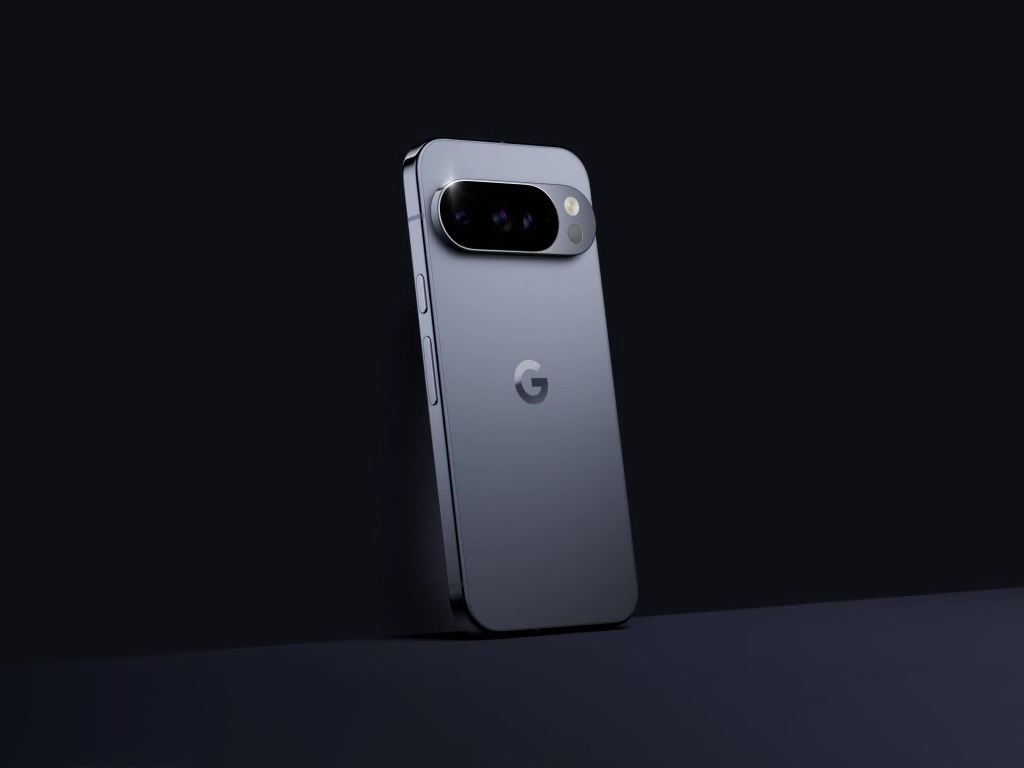
For over thirty years, it has been the unsung hero of mobile communication. A small, unassuming sliver of plastic and silicon, the Subscriber Identity Module—or SIM card—has been the key that unlocks our digital lives, connecting our devices to the vast global network. We’ve fumbled with ejector tools, carefully popped them out of credit card-sized holders, and nervously swapped them between phones. But its era may be drawing to a close. A new wave of credible rumors suggests that Google, with its anticipated 2025 Pixel 10 series, is preparing to make the bold leap into an all-digital, eSIM-only future, effectively signing the physical SIM card’s death warrant.
The report, originating from veteran mobile leaker Evan Blass, a source with a long and respected track record, indicates that the standard Google Pixel 10 and the larger Pixel 10 Pro will arrive without the familiar physical SIM tray. Instead, they will rely exclusively on embedded SIM (eSIM) technology, capable of supporting two active lines simultaneously. This move would mirror the decisive step Apple took with its iPhone 14 lineup in the United States back in 2022, a decision that initially sparked debate but has since accelerated the industry’s transition. While the change might seem small, the implications are enormous, promising a future of streamlined device design and user convenience, while also raising significant questions about accessibility and global readiness.
The Whispers from the Digital Grapevine
This isn’t just a shot in the dark; the details emerging paint a specific picture of Google’s strategy. According to the leak, the plan to eliminate the physical SIM tray applies specifically to the main flagship models, the Pixel 10 and Pixel 10 Pro. Interestingly, the rumor mill suggests a potential exception for a third, more specialized device, possibly a next-generation Pixel Fold. This foldable variant, referred to with a placeholder name, might retain the physical SIM slot, offering a bridge for users not yet ready or able to make the full digital switch.
A Calculated, US-First Approach?
Crucially, the initial reports come with a significant geographic caveat: this eSIM-only strategy may be confined to models sold in the United States, at least at first. This would be a logical and calculated move by Google, allowing the company to test the waters in a market already conditioned for this change. When Apple removed the SIM tray from its US iPhones, it leveraged the country’s relatively mature eSIM ecosystem, where major carriers like AT&T, T-Mobile, and Verizon have robust support systems in place. According to Counterpoint Research, eSIM-capable smartphone shipments are projected to cross the 70% mark in North America by 2025, making it the most mature market for the technology.
By focusing on the US first, Google can follow a proven playbook. It avoids alienating a global customer base in regions where eSIM adoption is still in its infancy. In many parts of Europe, Asia, and South America, smaller carriers, Mobile Virtual Network Operators (MVNOs), and pay-as-you-go providers still rely heavily on the distribution of physical SIM cards. A global, all-at-once switch would be a logistical nightmare and could severely limit the Pixel 10’s market reach.
A Déjà Vu Moment: We’ve Heard This Tune Before
For seasoned tech industry watchers, this development feels less like a sudden shock and more like an inevitable conclusion. The writing has been on the wall for years. In fact, rumors swirled as far back as 2023 that Google was considering making some of its Pixel 8 models eSIM-only. While that didn’t materialize, it signaled the company’s long-term intentions. Google has been a proponent of eSIM technology since the Pixel 2, and each subsequent generation has improved its integration and ease of use.
The real catalyst, however, was undoubtedly Apple. The iPhone is not just a product; it’s a market-shaping force. When Apple makes a decisive hardware change, the entire accessory and carrier ecosystem is forced to adapt. The removal of the 3.5mm headphone jack is a prime example. Initially met with ridicule, the move single-handedly created a massive market for Bluetooth headphones, with AirPods becoming a cultural phenomenon. The switch to eSIM in the US market is having a similar effect, forcing carriers to streamline their digital activation processes and pushing users to become more comfortable with the technology. Google’s move, therefore, isn’t just about following a trend; it’s about capitalizing on a path that has already been cleared by its biggest rival.
The Case for Killing the Physical SIM: Why Go Digital?
The push to eliminate a component that has worked reliably for decades isn’t just for the sake of modernization. There are compelling technical, design, and user-experience reasons driving this transition.
Engineering Elegance and Internal Real Estate
From a hardware engineering perspective, the physical SIM card tray is a relic. It’s a mechanical component that requires a physical opening in the phone’s chassis, complete with a delicate tray mechanism and an ejector pinhole. Removing it offers several key advantages.
The Durability Dividend
Every opening in a smartphone’s frame is a potential point of failure. It’s a gateway for dust, lint, and, most critically, water. Eliminating the SIM tray seals one more vulnerability, making it easier for engineers to achieve higher IP ratings for water and dust resistance. “Every millimeter of internal space is precious real estate,” a former smartphone engineer might explain. “Removing the SIM card assembly doesn’t just free up a tiny bit of room; it removes a complex mechanical part and simplifies the entire waterproofing process. That space can then be repurposed for something that adds tangible value, like a few extra milliamp-hours for the battery, a larger haptic motor for better feedback, or improved thermal dissipation for the processor.”
A Traveler’s Dream Come True?
Perhaps the most celebrated benefit of eSIM technology is the profound impact it has on international travel. The old ritual of landing in a new country, hunting for a local carrier’s kiosk at the airport, navigating language barriers, and physically swapping SIM cards (while trying not to lose your primary one) is cumbersome and outdated.
With eSIM, the experience is transformed. A traveler can purchase a local or regional data plan from an app like Airalo, Ubigi, or Holafly before they even leave home. Upon landing, they simply activate the downloaded eSIM profile through their phone’s settings, and they are connected within seconds. This allows for unparalleled flexibility. You can maintain your primary number for calls and texts while using an affordable local eSIM for data, saving a fortune on exorbitant roaming charges. Imagine having profiles for the US, Japan, and the European Union all stored on your device, ready to be activated with a simple tap. It’s a level of convenience the physical SIM could never offer.
The Unseen Hurdles and Potential Backlash
Despite the clear advantages, a world without physical SIMs is not without its challenges. The transition, if mishandled, could create a new set of problems for consumers and limit choice for a significant portion of the global population.
The Global Divide and Digital Deserts
While the US market is largely prepared, the global landscape is far more fragmented. In many developing nations and even in pockets of developed ones, the infrastructure for seamless eSIM activation is lagging. Many people rely on the simple, anonymous, and straightforward process of buying a prepaid physical SIM card with cash from a corner store. An eSIM-only device is effectively useless in these “digital deserts.” This move risks creating a two-tiered system where the latest technology is only fully functional for those living in well-supported regions. A forced transition could alienate millions of potential customers and reinforce the digital divide.
The Learning Curve and Practical Pitfalls
There’s also a human element to consider. For a generation of users, the physical SIM is a known quantity. The process of switching to a new phone by simply moving the card is intuitive. Shifting to a system that requires scanning QR codes, logging into carrier apps, or calling customer service can be intimidating for less tech-savvy individuals.
Furthermore, there are practical emergency scenarios where the physical SIM reigns supreme. If your phone suddenly breaks—the screen shatters, or it suffers water damage—your immediate priority is to get your line of communication working again. With a physical SIM, you can simply eject it and pop it into a cheap backup phone in minutes. With a locked-down eSIM, that process becomes far more complicated. You would need access to another internet-connected device, your carrier account credentials, and potentially a lengthy call with support, all while your primary communication tool is out of commission. This loss of physical control is a valid concern for many.
Reading the Tea Leaves: Google’s Grand Strategy
Assuming the rumors are true, Google’s decision to go eSIM-only with the Pixel 10 is a multifaceted strategic play. It’s about more than just keeping up with Apple; it’s about shaping the future of the Android ecosystem and tightening the integration of its own hardware and software.
By making this move, Google is sending a powerful signal to its Android partners like Samsung, OnePlus, and others. It effectively says, “This is the future, and it’s time to get on board.” A flagship device from the creators of Android going eSIM-only will compel carriers and other manufacturers worldwide to accelerate their own adoption timelines, creating a more standardized global ecosystem.
Furthermore, this aligns perfectly with Google’s long-term vision for the Pixel line. The company has invested billions in developing its own custom Tensor processors. The upcoming Tensor G5, expected to power the Pixel 10, will undoubtedly be designed for deep integration. An eSIM system, managed directly by Google’s software and secured by its Titan M security chip, offers a more controlled and secure environment than a removable, third-party piece of hardware. It allows Google to manage the entire connectivity stack, potentially offering unique features, enhanced security against SIM-swapping attacks, and more efficient power management.
The journey away from the physical SIM card is a marathon, not a sprint. The Pixel 10, should it launch as an eSIM-only device in the US, won’t kill the plastic card overnight. But it will be another powerful shove, pushing the industry further down a path from which there is no return. It represents a bet on a future that is more seamless, more secure, and more integrated. For consumers, this future promises great convenience but also demands a new level of digital literacy and trust. The tiny SIM card has served us well, but its days are numbered. The digital tide is rising, and the Pixel 10 may be the device that finally brings it to shore.
Source: https://www.techradar.com


0 Comments