

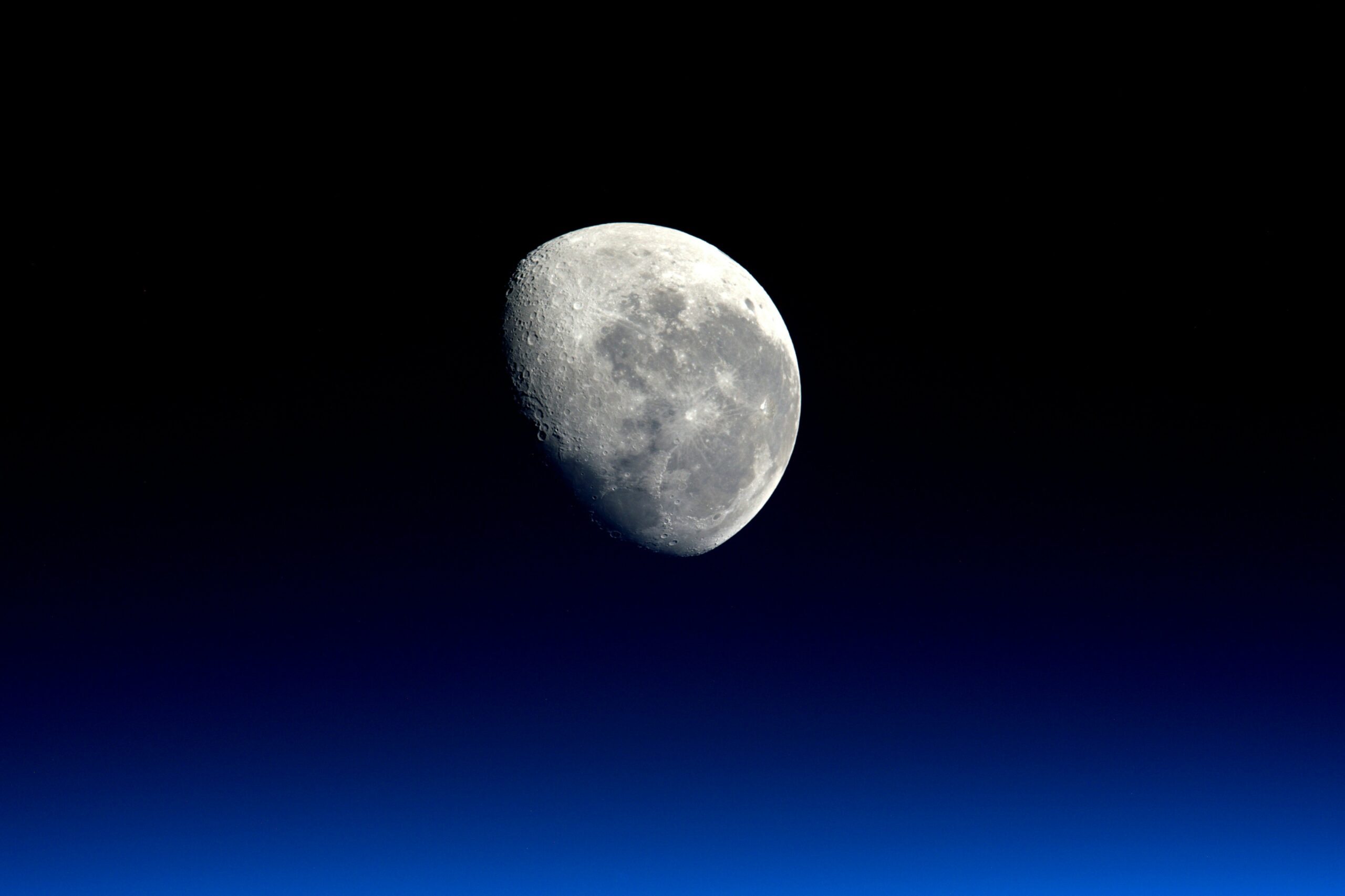
When we think of earthquakes, our minds immediately picture the Earth shaking. But did you know that similar seismic events occur on the Moon? These are called moonquakes, and while they share some characteristics with earthquakes, their causes and effects are quite different. In this article, we’ll dive deep into what moonquakes are, what causes them, how they impact the Moon, and how scientists detect them.
What Is a Moonquake?
A moonquake is a seismic event that occurs beneath the lunar surface, similar to an earthquake on Earth. However, moonquakes are typically less frequent but can last much longer—sometimes for over 10 minutes. The term was first used during the Apollo missions when astronauts left seismic instruments on the Moon to study its internal structure.
Moonquakes provided critical data that helped scientists understand that the Moon is not completely geologically dead. There is still seismic activity, although it is much weaker than on Earth.
Types of Moonquakes
Scientists have identified four main types of moonquakes based on their origin and intensity:
- Deep Moonquakes
- Occur 700–1,200 km below the surface
- Likely caused by gravitational tidal forces from Earth
- Regular and predictable
- Shallow Moonquakes
- Happen closer to the surface (50–200 km)
- Can be powerful, reaching up to 5 on the Richter scale
- Believed to be linked to tectonic stress in the Moon’s crust
- Thermal Moonquakes
- Occur when the Moon’s surface expands and contracts due to temperature changes between lunar day and night
- These are smaller quakes but very common
- Meteorite Impact Quakes
- Caused by meteoroids hitting the lunar surface
- Brief but significant energy release
What Causes Moonquakes?
Unlike Earth, the Moon has no active plate tectonics. So, what triggers these quakes?
- Tidal Forces from Earth
The gravitational pull of Earth exerts stress on the Moon’s interior, causing deep moonquakes. This effect is similar to how the Moon influences Earth’s tides. - Thermal Expansion and Contraction
The Moon’s temperature can swing from +120°C during the day to -130°C at night. This drastic change makes the surface expand and contract, creating cracks and small seismic events. - Cooling and Shrinking
Over billions of years, the Moon has slowly cooled, causing it to shrink like a raisin. This contraction leads to the formation of faults and occasional shallow quakes. - Meteor Impacts
With no atmosphere to protect it, the Moon constantly faces meteoroid impacts, some of which can shake the lunar crust significantly.
Effects of Moonquakes
Moonquakes might seem like distant, minor tremors, but they carry real consequences—especially as humanity sets its sights on the Moon for long-term exploration and colonization. Here’s a detailed look at the key effects of moonquakes and why they matter:
1. Surface Instability — A Serious Threat to Lunar Structures
Shallow moonquakes cause ground shaking that can be surprisingly strong. Unlike Earth, where seismic activity is often buffered by soil and vegetation, the Moon’s surface is barren and rigid, so the impact of these shakes is more direct. This instability means that even relatively small moonquakes could crack or damage lunar habitats, scientific instruments, and landing pads.
For future lunar bases, structural integrity is non-negotiable. Engineers must design buildings to withstand these vibrations, or risk catastrophic failure that could endanger human lives and valuable equipment.
2. Extended Vibrations — Moonquakes Last Longer Than Earthquakes
One of the most fascinating—and dangerous—aspects of moonquakes is that their vibrations can last up to 10 minutes or more. On Earth, seismic waves quickly dissipate due to water and softer soil layers, but the Moon’s dry, solid crust transmits waves with minimal energy loss. This means that a single moonquake can cause prolonged shaking, increasing the risk of damage and complicating emergency response efforts.
For lunar explorers, this extended shaking means that early warning systems and real-time monitoring will be crucial to prepare for and mitigate the effects.
3. Risk for Future Missions — Why NASA Is Taking Moonquakes Seriously
NASA’s Artemis program, which aims to establish a permanent human presence on the Moon, is actively researching how to make lunar habitats resistant to moonquakes. This is not just precaution—it’s a necessity.
Moonquake activity influences:
- Site selection: Avoiding areas prone to frequent or intense quakes
- Construction techniques: Using flexible, shock-absorbing materials and foundations
- Safety protocols: Developing early warning systems and evacuation plans
Ignoring moonquake risks could delay missions, increase costs, and most importantly, endanger astronaut safety.
How Are Moonquakes Detected?
During the Apollo missions (1969–1972), astronauts installed seismometers on the lunar surface. These devices transmitted data back to Earth for several years, revealing over 12,000 seismic events.
Today, detection relies on:
- Seismometers from Past Missions – Apollo’s seismic network remains a foundation for research.
- Modern Lunar Orbiters – Instruments on current missions map tectonic features and estimate quake activity.
- Planned Seismic Networks – Future Artemis missions will deploy new instruments for precise monitoring.
Why Moonquakes Matter
Moonquakes might sound like science fiction, but they play a critical role in shaping the future of lunar exploration and human presence on the Moon. Understanding these seismic events is not just about science—it’s about safety, engineering, and unlocking secrets buried deep within the Moon’s core. Here’s why moonquakes are so important:
1. Future Lunar Colonization – Building Safe Habitats on the Moon
If humanity plans to live on the Moon—even temporarily—structural safety is the top priority. Moonquakes can cause ground shaking strong enough to damage habitats, crack infrastructure, or destabilize landing zones. Unlike Earth, the Moon lacks an atmosphere and tectonic plates, so moonquakes behave differently. Some can last up to 10 minutes because seismic waves don’t dissipate quickly in the Moon’s dry, rigid crust.
✅ Why this matters: Engineers must design quake-resistant bases, energy systems, and life-support structures to survive these conditions. Ignoring moonquakes could mean catastrophic failures for future lunar colonies.
2. Planetary Science – Unlocking the Moon’s Secrets
Every moonquake is like an X-ray of the Moon’s interior. Seismic waves travel through different layers of the lunar body, revealing information about its crust, mantle, and possibly its core. By analyzing this data, scientists learn:
- How the Moon formed billions of years ago
- Whether it has a molten or partially molten core
- How heat escapes from the Moon’s interior
This isn’t just curiosity—planetary science helps us understand other celestial bodies, like Mars and even exoplanets, improving models of how rocky planets evolve.
3. Exploration Missions – Protecting Astronauts and Equipment
Moonquakes pose a real risk to human and robotic missions. A lander placed near a fault zone could tip or be damaged during a quake. Astronauts exploring the lunar surface need early-warning systems to avoid hazardous areas.
NASA’s Artemis program and future private missions must factor moonquake activity into site selection, equipment design, and mission planning. By studying moonquakes now, agencies can prevent accidents and costly failures in the future.
Final Thoughts about a moonquake
Moonquakes are a fascinating reminder that the Moon is far from static. From tidal forces to thermal stress, these quakes reveal the dynamic nature of our nearest celestial neighbor. As humanity plans for long-term lunar missions, studying and preparing for moonquakes will be crucial to building a sustainable presence on the Moon.

0 Comments